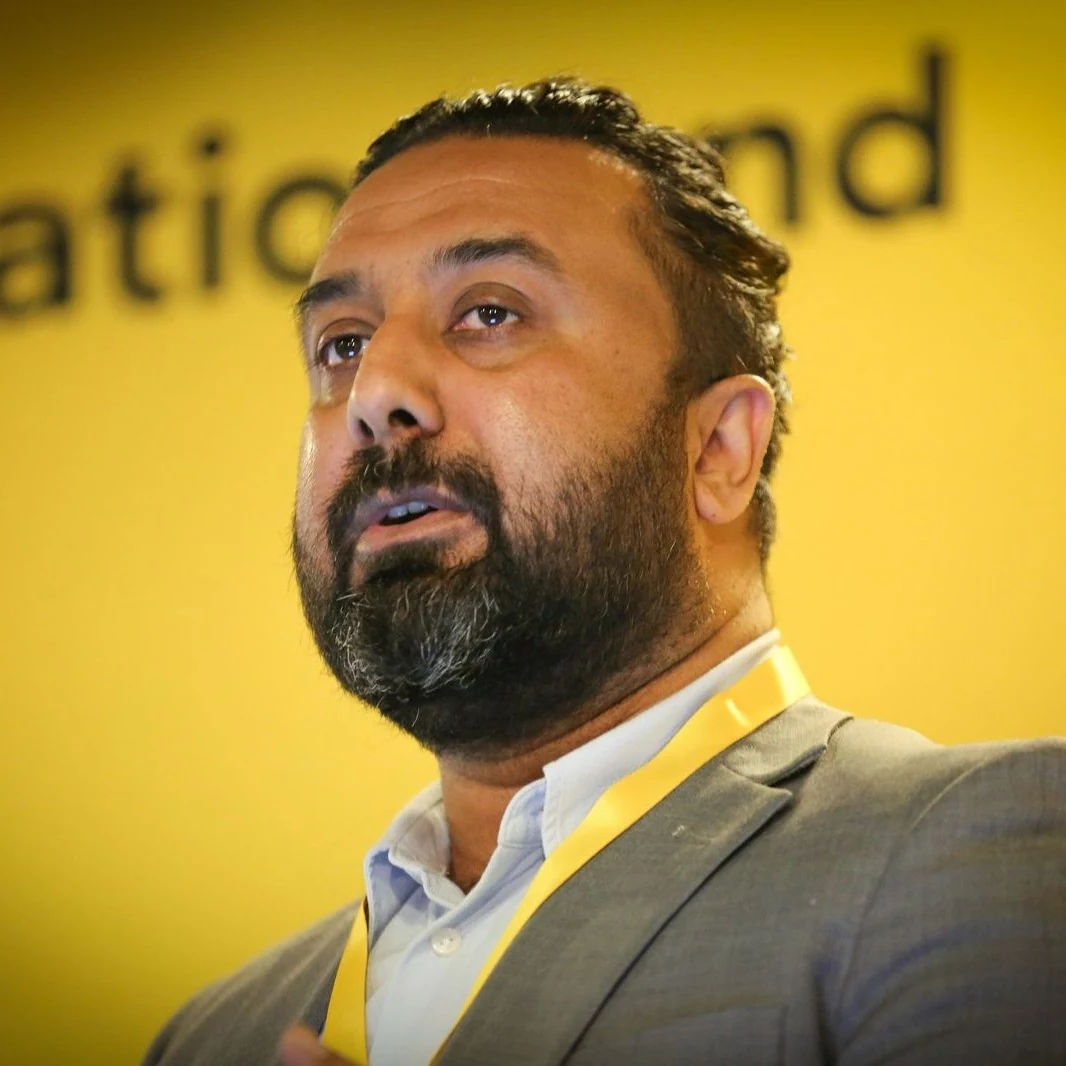
Mo Khazali
#Group Associate Partner at Theodo
Industry perspectives
Talk
1978: The Last Good Year
In 1978, Detroit was at its peak. General Motors, the largest of America's Big Three carmakers, hit record sales and profits.
Two years later, the Big Three had lost $4 billion between them, and Chrysler was asking for a government bailout. Meanwhile, Japanese carmakers were quietly taking over the American market with smaller, cheaper, and better-built cars.
Detroit's response was to spend tens of billions of dollars on automation, filling its factories with robots, betting that technology would close the gap.
It didn't.
Toyota and other Japanese manufacturers won by crafting a better system, one that built quality into every step of the factory, and a culture obsessed with building the cars customers actually wanted.
Today's software landscape is eerily reminiscent of 1978. AI has made coding largely automatable, and teams are shipping more than ever before.
Most companies are responding the way Detroit did: rolling out AI tools, and betting that the technology will close the gap.
It won't.
AI has sped up one part of the lifecycle. Everything around it, from deciding what to build to knowing it works, has stayed the same. The answer is to rethink the whole software development lifecycle: start from customer value, be rigorous about what gets built and what doesn't, and bake quality into every step of the SDLC, rather than inspecting it in at the end.
Mo Khazali has spent the last few years introducing AI into engineering organisations across multiple companies as a consultant, most recently rolling out an AI-native SDLC to a team of 160 engineers. In this opening keynote, he shares what he has learnt about building systems and the right culture around AI, and how to make sure this isn't your 1978.
Mo Khazali is Group Associate Partner at Theodo. Over the last three years, he has led teams as Head of Mobile and Solutions Architect, helping deliver high-impact products while scaling engineering practices across clients and developer communities. He has spoken at dozens of international conferences, hosted React Native London, and now focuses on how organisations can use AI to migrate between technology stacks in ways that are verifiable, safe, and efficient.