Why
AI is moving from isolated coding assistance into planning, implementation, review, testing, maintenance, and delivery governance. SDLCAI looks at what changes when that shift becomes real.
13 October 2026 / Marsio Saastamoinen Foundation Stage / Espoo
AI meets SDLC
A one-day seminar on AI across the software development lifecycle (SDLC): from planning and coding to testing, delivery, and maintenance.
Expect concrete cases, technical judgement, and hard questions about engineering quality, delivery, and organizations adopting AI in practice.
75€ inc. VAT · Lunch included
Can’t join us in person? Watch the seminar live on YouTube.
Buy tickets
Day tickets for the SDLCAI 2026 seminar include lunch and are now available through Tito. Continue to checkout to reserve a seat.
Ticket
Day pass
Price
75€ inc. VAT
Date
13 October 2026
Includes
Talks, posters, panel, lunch, and an afterparty
Venue
Marsio, Aalto
Registration updates
Leave your email and we will contact you when seminar registration becomes available.
Focus
AI is moving from isolated coding assistance into planning, implementation, review, testing, maintenance, and delivery governance. SDLCAI looks at what changes when that shift becomes real.
Engineering leaders, software practitioners, researchers, and product teams who need grounded ways to evaluate AI across real software development workflows.
Adoption patterns, technical leverage, evaluation, governance, testing strategy, developer experience, and the organizational changes that follow.
Seminar day
A compact single-track format with talks, posters, breaks, and panel discussion.
Registration.
Welcome and framing for the day.
Talks or a joint session on applied AI in software development, ending with a brief panel.

Mo Khazali shares an industry perspective on applied AI in software development. The exact topic of his talk is still to be decided.
Group Associate Partner at Theodo
Mo Khazali is Group Associate Partner at Theodo. Over the last three years, he has led teams as Head of Mobile and Solutions Architect, helping deliver high-impact products while scaling engineering practices across clients and developer communities. He has spoken at dozens of international conferences, hosted React Native London, and now focuses on how organisations can use AI to migrate between technology stacks in ways that are verifiable, safe, and efficient.

Ohans Emmanuel shares an industry perspective on applied AI in software development. The exact topic of his talk is still to be decided.
Co-founder & CEO, Coldtea.ai
Ohans Emmanuel is the co-founder and CEO of Coldtea.ai and a technical author with more than five published books. Since 2017, he has written extensively about software and product development, with his work reaching more than five million readers. He specialises in turning complex problems into simple, reliable systems and building delightful user interfaces that hold up in the real world.

Jenni Kylmäkoski shares an industry perspective on applied AI in software development. The exact topic of her talk is still to be decided.
R&D Leader at Nokia
Jenni Kylmäkoski is an R&D leader at Nokia with experience in agile coaching, training, and product development leadership. Her work focuses on building motivated, high-performing teams and improving large R&D organisations through agile methods, DevOps, coaching leadership, continuous improvement, and collaboration across organisational boundaries.
Hallway discussion.
Short research-driven talks on AI and software development.
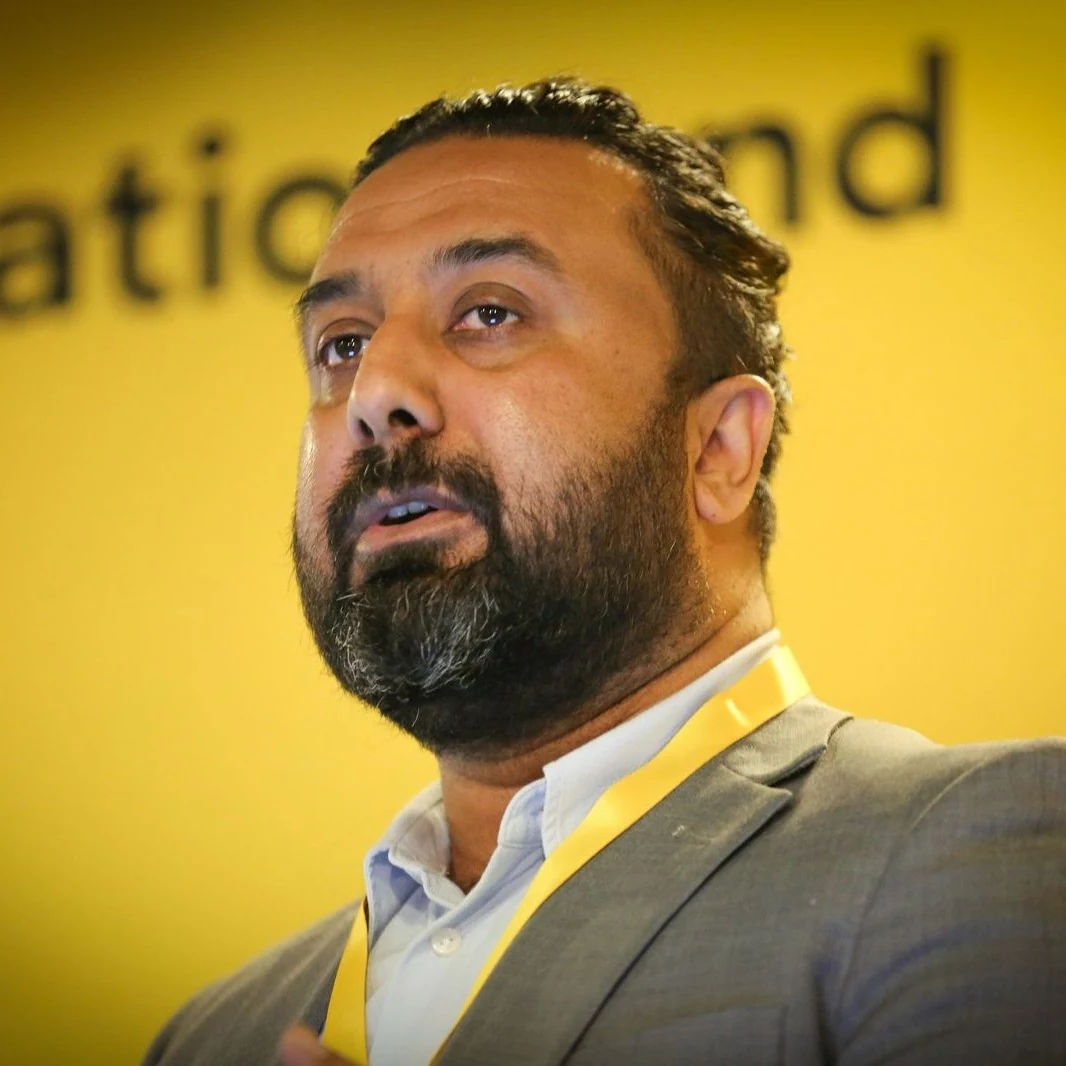
This talk examines the current role of Generative AI in software engineering, moving beyond the hype around coding assistants. It discusses where GenAI is already useful, such as implementation, testing, documentation, and refactoring, and where progress remains limited, such as requirements, architecture, and long-term maintenance. The talk also highlights key open questions around measurement, verification, security, developer expertise, and the future shape of software engineering work.
Vice Head of GPT Lab, Tampere University
Dr Muhammad Waseem is the Vice Head of GPT Lab at Tampere University. His research focuses on software engineering, generative AI, software architecture, and AI-assisted software development. He is currently supervising PhD and master’s students and has authored more than 90 research papers published in leading software engineering venues, including JSS, IST, ICSE, ECSA, and others.
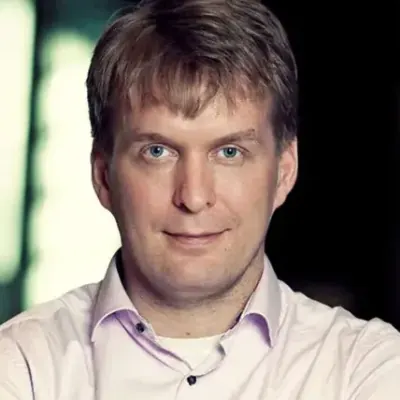
Abstract forthcoming.
Head of AI Development at Siili Solutions
Tapio Pitkäranta is Head of AI Development at Siili Solutions and a PhD candidate at Aalto University researching Software Agents and Generative AI. He has over 20 years of AI experience, spanning early semantic-web agent research, healthcare analytics entrepreneurship, and senior technology leadership across retail, healthcare, tax, and HR. He has served as CTO four times, including at RELEX Solutions during its unicorn-scale growth, and now focuses on applying agentic AI, multi-agent systems, and coding agents to real software delivery.
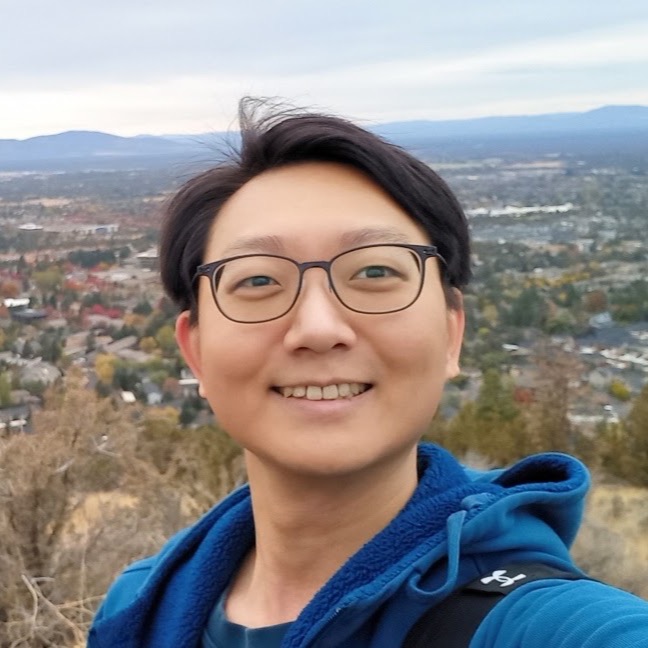
Joongi Shin will give a talk related to user interfaces. The exact title and abstract are forthcoming.
Postdoctoral Researcher at Aalto University
Joongi Shin is a postdoctoral researcher at Aalto University investigating how emerging technologies and AI can support human creativity and design. His research spans human-computer interaction, user-centred design, collaborative creativity, and generative AI. He received his PhD in Industrial Design from KAIST in 2021.
Lunch break with poster sessions.
Short field reports from teams applying AI across the SDLC.

How Elisa drove AI adoption across the SDLC beyond expectations through leadership, tooling, communities, and shared practices. The talk also covers how governance continues to evolve to manage costs in the new era of token-based development, while operating critical infrastructure under high levels of regulation.
Chief of Software Engineering at Elisa
Jussi Hacklin has more than 20 years of experience leading technology and business organisations, creating digital services and products in-house and for clients across multiple industries. His background spans technology business creation, sales, product management, product development, agile transformation, piloting, and software development. He is a co-founder of Mideum, advises selected companies on technology and leadership, and was the first Finnish graduate of the University of Cambridge Judge CTO Programme.

In February, Viljami handed AI coding agents to every PM, designer, and support rep at epilot, then opened the whole codebase to them. He expected a few translation fixes. Instead, they shipped thousands of PRs: hundreds from people who had never written code, with dozens still contributing every week. Engineers review and merge, features go to customers, designers ship real UI, PMs ship features they had waited months for, and customer success builds its own tools. This talk shares what they learned, the guardrails they put in place, the parts that broke, and the day someone pushed unreviewed code to production.
Distinguished Engineer at ePilot GmbH
Viljami Kuosmanen is a distinguished engineer and product engineer with more than 15 years of experience. Previously Head of Engineering at epilot, he scaled SaaS teams from early stage to more than 45 engineers while sustaining over 50% year-on-year MRR growth. His work spans SaaS, cloud, and AI, and his open-source libraries have been adopted by companies including AWS, GitHub, SAP, IBM, and Intel. He is the author of the Product Engineer Manifesto, which encourages engineers to move beyond code into end-to-end product ownership.
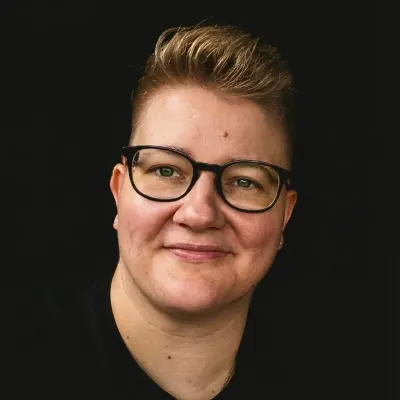
AI is making software development faster, more automated and more factory like. Code can be generated in seconds, tests created automatically and ideas moved toward production with less effort.
But speed does not replace clear intent, sound architecture, independent verification, security, ownership or operational feedback. When these foundations are weak, AI can produce convincing results while moving cost and risk into review, release and production.
This session examines why software delivery fundamentals matter more as AI adoption grows. It considers how technical and business leaders can recognize false confidence, set appropriate boundaries and maintain accountability across an AI enabled SDLC.
The aim is not to slow the factory down. It is to help ensure that faster output becomes software that can be understood, operated and sustained.
Co-Founder, COO & Tech Lead at Aimbition
Sini Tistelgrén is Co-Founder, COO & Tech Lead at Aimbition. She has nearly 15 years of experience in IT, leading teams, shaping strategy, driving AI initiatives, and managing complex multi-vendor projects. Her work focuses on making AI adoption in software engineering practical and human-centred by aligning people, technology, and processes.
Break and informal discussion.
Deeper academic sessions on current research and open questions.
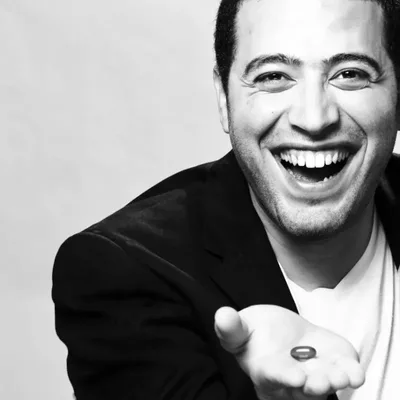
Zak Allal shares an industry perspective on applied AI in software development. The exact topic of his talk is still to be decided.
Physician and AI Engineer
Zak Allal is a physician and AI engineer working at the intersection of medicine, advanced technology, strategic intelligence, and the arts. His technical work spans secure AI architectures, full-stack systems engineering, cybersecurity, and applied AI. He is also a pianist and composer who has performed at Carnegie Hall.
Reset before the closing panel.
Academia and industry in discussion.
Closing remarks and group photos.
Informal evening gathering.
Venue
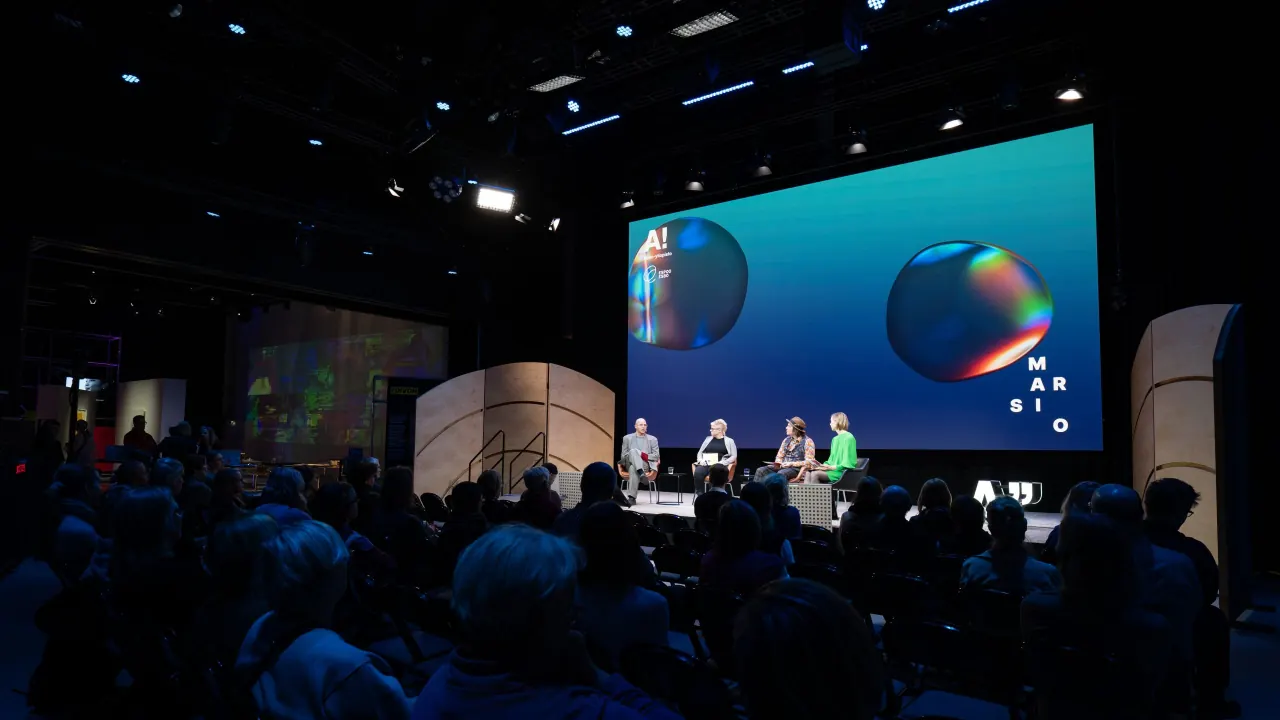
The seminar is planned for the Saastamoinen Foundation Stage in Marsio at Aalto University, Otaniemi: a high-production setting for talks, demos, and direct discussion between academia and industry.
View venue detailsOrganizers
SDLCAI is organized by Toska Osuuskunta, the cooperative behind Future Frontend.
In addition to this seminar and Future Frontend, the group has previously organized the React Finland and GraphQL Finland conferences.








01
AI in real engineering pipelines
02
Quality, testing, and review under automation
03
Leadership and governance for AI adoption